
Tradition says the Camino has three stages.
The first, from St. Jean-Pied-de-Port to Burgos, is physical. Your body adjusts to walking day after day. You cross the Pyrenees, deal with sore muscles and blisters, learn to manage your pack and your shoes, and slowly you find your rhythm.
The second, from Burgos to León, is mental. This is the Meseta—long, flat stretches of open land and wheat fields with very little to distract you. I am told this is where your mind really begins to take over and where some of the deepest thinking on the Camino happens.
And the third, from León to Santiago, is spiritual. By then, perhaps your body and your mind have quieted down enough to listen a little more closely to your soul and begin to understand why you came.
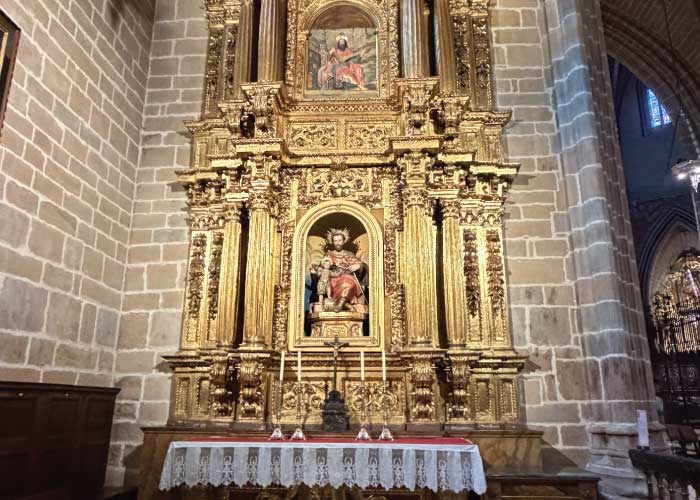
We have now finished that first, physical stage. And it has definitely lived up to its name. But as I look back on these first days, already I find myself thinking less about the miles and the climbs and more about the people and places we encountered along the way—one thing that really stands out is how much the churches have affected me.
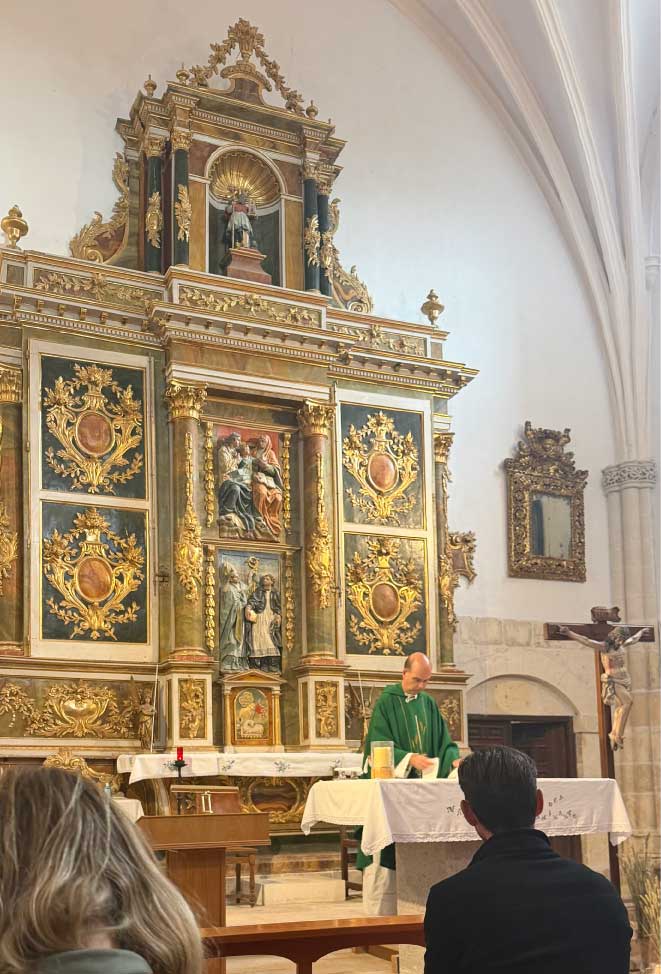
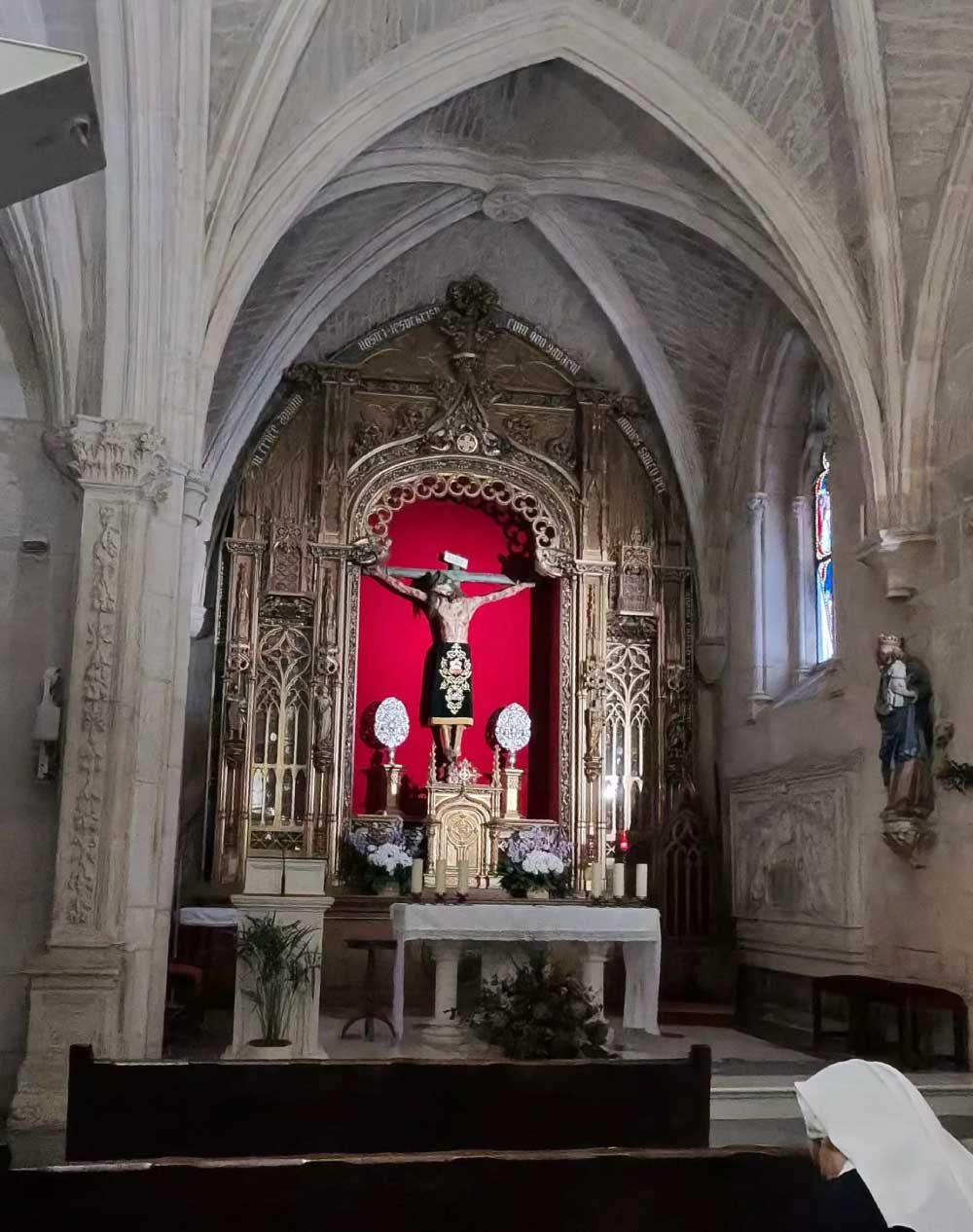
I have been overwhelmed by their beauty. They are everywhere.
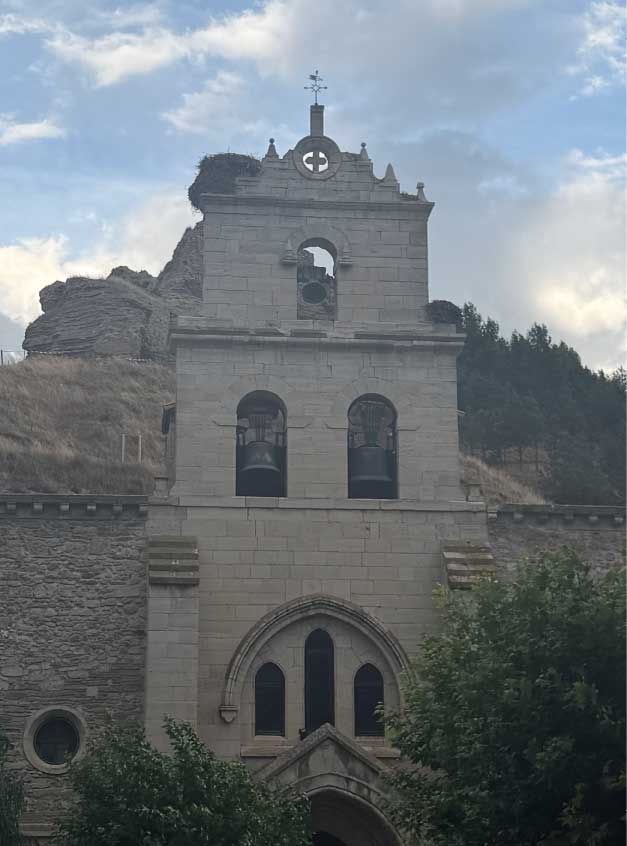
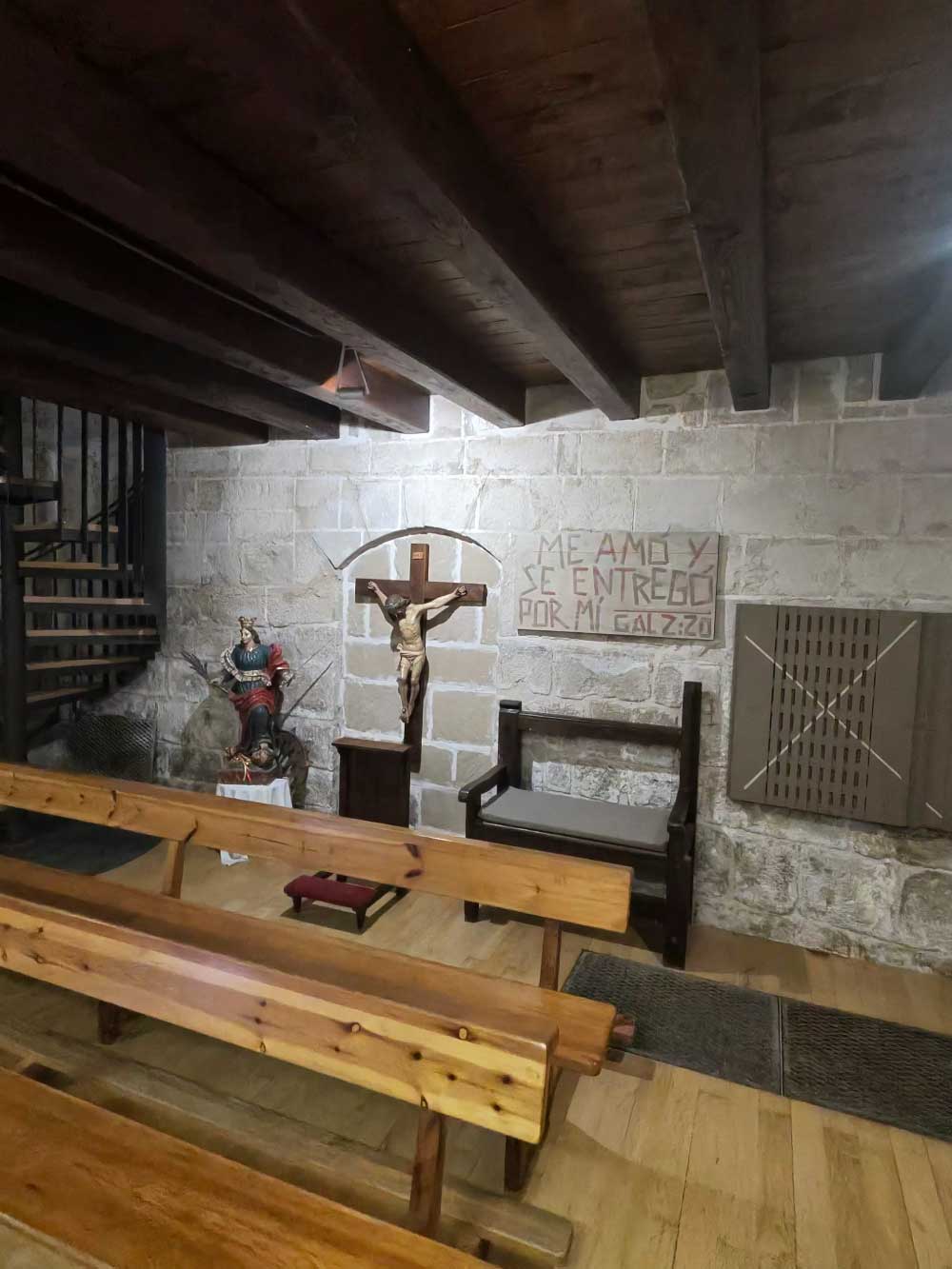
Some are magnificent cathedrals soaring above cities like Pamplona and Burgos. Others are tiny stone churches tucked into villages where only a few hundred people live. Some are beautifully restored; others are worn by centuries of weather, prayer and pilgrims passing through their doors.
We have found ourselves stopping in almost every one.
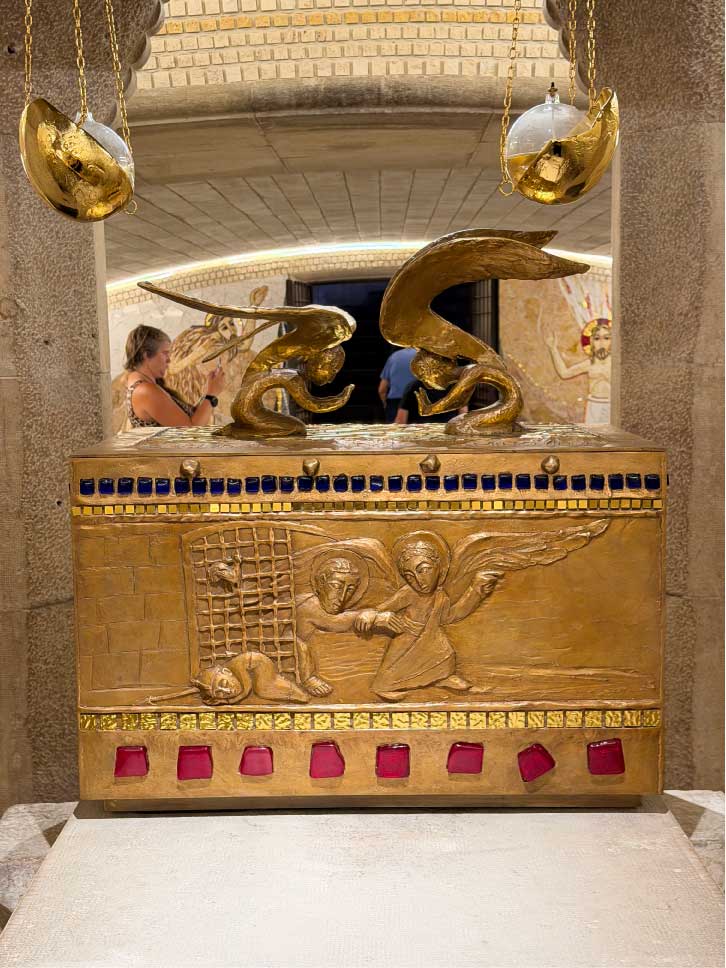
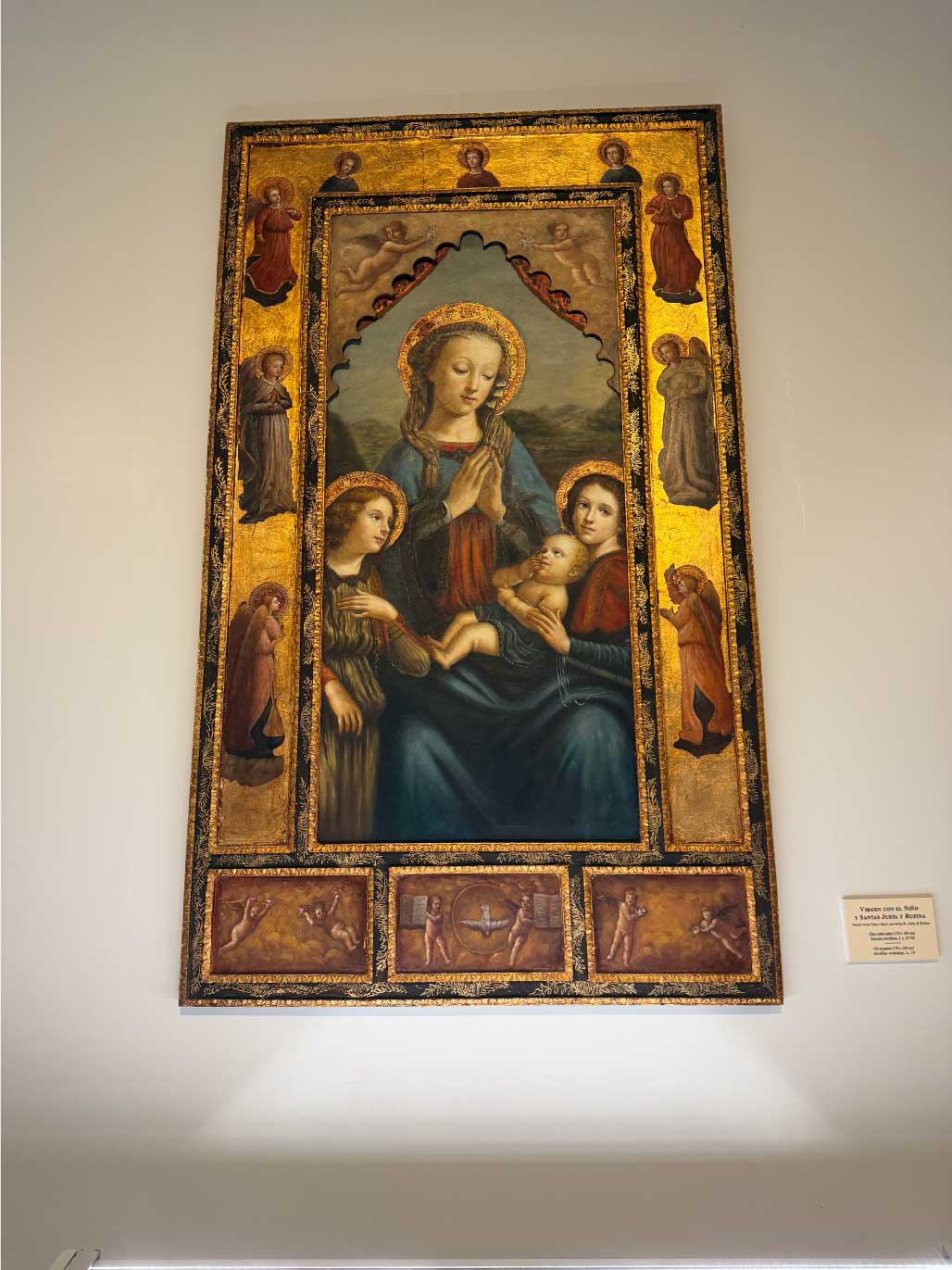
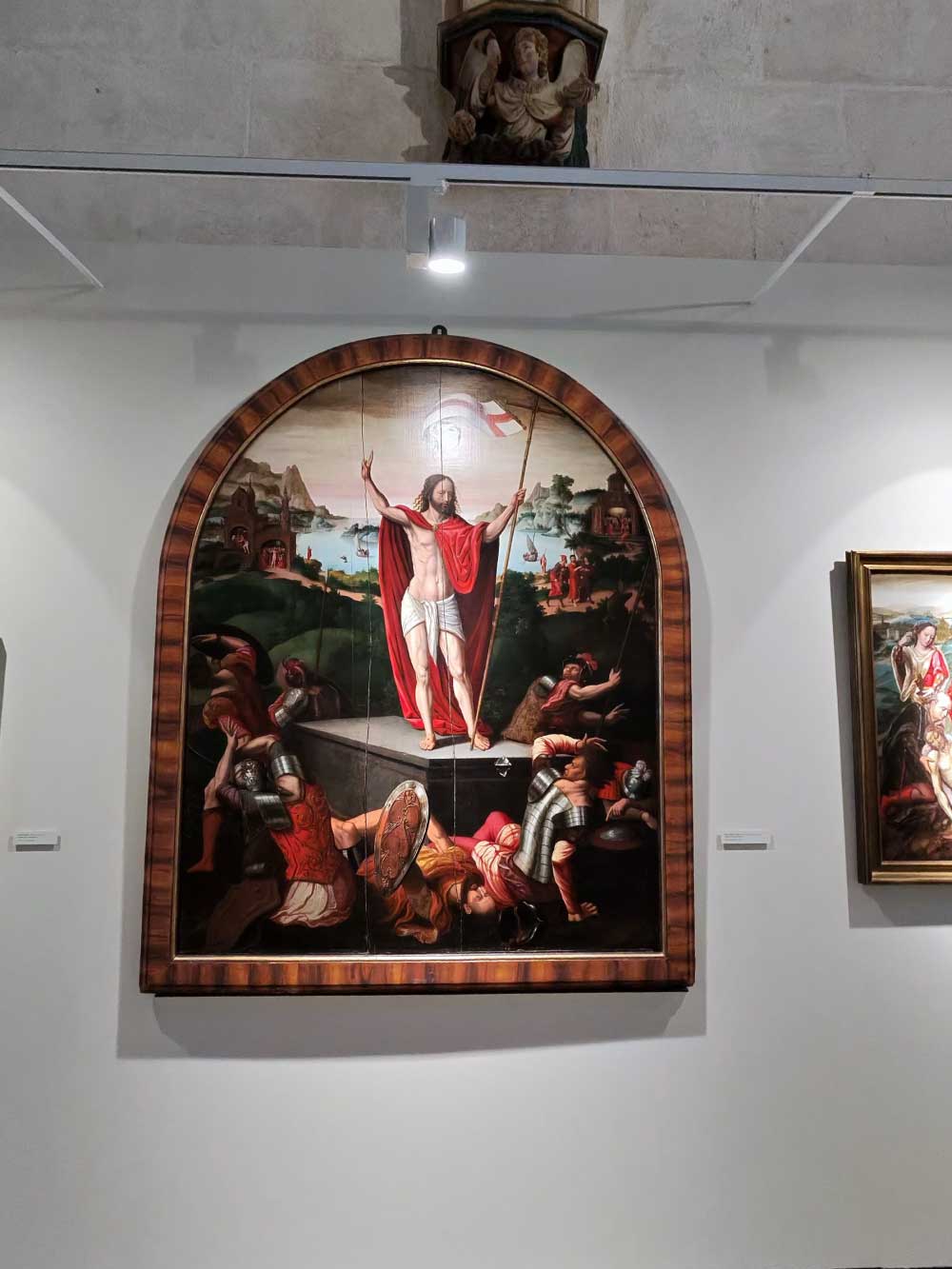
The architecture, stained glass, paintings and carvings are extraordinary. It is almost impossible to comprehend the faith, craftsmanship and sacrifice required to build these places hundreds of years ago, particularly without the tools or technology we take for granted today.
Many were not built within a single lifetime. They were begun by one generation, completed by another and cared for by those who followed. Their construction was an act of faith reaching beyond the lives of the people who laid the first stones. They built for their children, grandchildren and pilgrims they would never meet.
The longer we walk, the more I realize their beauty is only part of what draws us inside. For centuries, these churches were the center of community life. They welcomed people at birth, accompanied them through marriage and stood with them at death. They were places of worship, celebration, mourning, gathering and refuge. Nearly every significant moment in village life unfolded within their walls or in their shadow.
They also told the stories of faith to people who could not read. Through paintings, carvings, statues, stained glass and altarpieces, they made Scripture and sacred history visible. Everywhere there is symbolism—in the animals, flowers, colors, gestures and figures carved into stone or painted on walls. Details that might appear decorative to us carried meaning that people of the time would have understood. Their walls were more than beautiful; they were a language of faith that taught, comforted and inspired.
And what beauty they provided. It is easy to forget how different the world was hundreds of years ago. Books were rare and expensive, literacy was limited, and paintings and other works of art were largely the privilege of the wealthy. For an ordinary person, the local church may have been the most beautiful place they ever entered.
Imagine walking in from a simple village and seeing sunlight pouring through colored glass, walls covered with paintings, statues and carvings, hearing bells and music, and looking upward toward soaring ceilings. These churches gave ordinary people access to extraordinary beauty.
That beauty had a purpose. It lifted their eyes and hearts toward something greater than themselves. What we now admire as art and architecture was also an expression of faith—and a gift of beauty shared across generations.
For centuries, these churches have also been places of refuge along the Camino. People came through their doors tired, hungry, frightened, hopeful, grieving, grateful or searching for something they could not quite name. Their lives were very different from ours, but I suspect many of their prayers were remarkably similar. Protect my family. Give me strength. Help me know what to do. Stay with me. Thank you.
There is something moving about stepping off a dusty trail, setting down your backpack and sitting quietly in a church where people have been praying for hundreds of years. We light candles for the people we love. We attend Mass when we can. And in every church we enter, we carry with us the intentions so many people entrusted to us before we began this journey. We pause and say a prayer for all of them, carrying their hopes, worries, gratitude and needs with us along the Camino. Sometimes we pray. Sometimes we simply sit.
Perhaps that is what I appreciate most about these beautiful old churches. They are not simply monuments to the past. They are the work of generations, the heart of communities, the storytellers of faith and the keepers of beauty. They remind us that across centuries, cultures and generations, people have always needed a place to stop along the journey, look toward God and remember that we do not walk alone.
And now onto the Meseta—wide open spaces, long stretches of road, fewer distractions and a great deal of time to think. I am curious to see what it will ask or reveal to us.

2 comments
Annette, you really have a great facility with language. Your words clearly communicate the traveling of the Camino with all its pain and joy.
The Catholic Churches are on of my favorite things of our faith . They are so beautiful and the history you just described makes it even more meaningful Thank you for sharing all the details of this once in a lifetime journey and the way god is in every step of the way ! Praying for you both and look forward to your updates 🙏